
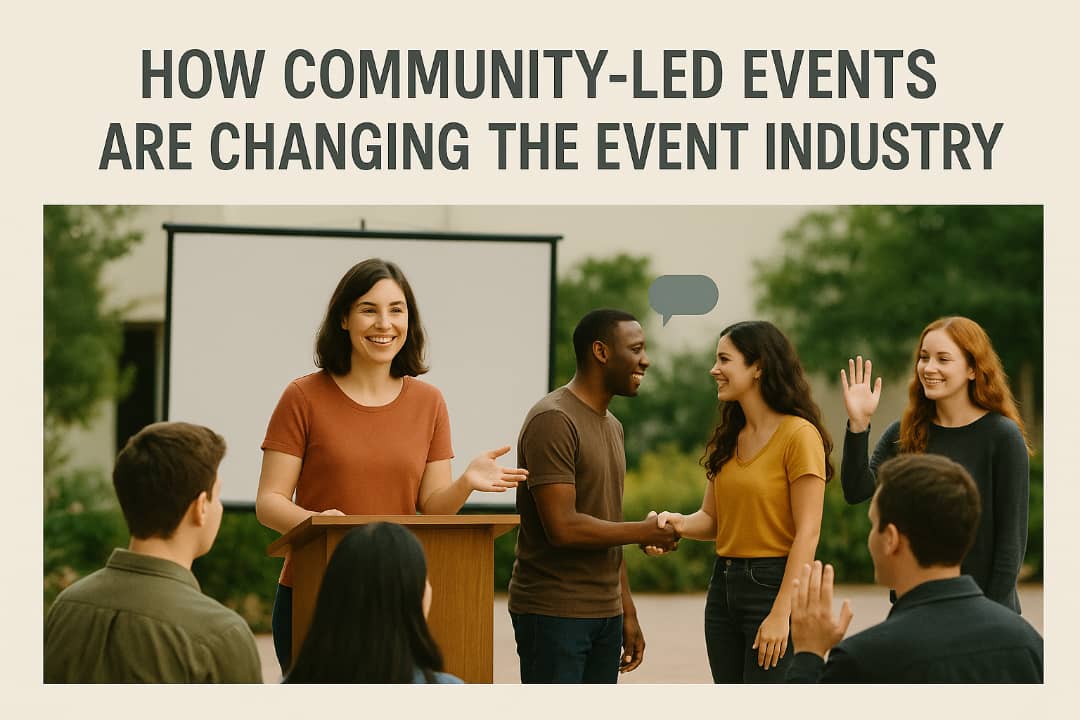
In a bustling town square, locals gather to celebrate a cultural festival organised not by a big corporate brand but by the very people who live there. Stories are shared, music fills the air, and connections are made that last long after the event ends. This is the power of community-led events, and it is reshaping the event industry in ways never seen before.
The shift towards events designed and delivered by communities is not just a passing trend. It is a movement that puts people at the heart of experiences, inspiring a new wave of collaboration and creativity. This change matters to event organisers, marketers, and communities across the UK and beyond.
Key takeaways you will learn in this post:
- Why community-led events matter in today’s event industry
- How they are influencing engagement and participation
- The five essential skills for successful community-driven events
- Examples of how this trend is shaping the future of event management
The Rise of Community-Led Events in the Industry
Community-led events have grown in popularity as people seek authentic, meaningful connections. Unlike traditional events managed solely by large organisations, these initiatives bring local voices, talents, and cultures to the forefront. This shift has challenged the conventional event industry, urging professionals to rethink planning, execution, and engagement strategies.
By handing over some of the creative control to the community, organisers unlock diverse perspectives, resulting in more inclusive and impactful experiences. From grassroots music festivals to neighbourhood wellness fairs, these events are redefining what success looks like.
Why Community Engagement Matters in Event Planning
Event attendees today crave experiences that feel personal. Community involvement ensures that events reflect the values and interests of those attending. This not only increases participation but also builds long-term loyalty.
For the industry, it means moving beyond one-size-fits-all strategies and embracing tailored approaches. A farmers’ market, for instance, is not just a place to buy produce, it is a celebration of local identity. When communities feel ownership of an event, engagement levels rise, and so does its impact.
Five Essential Skills for Leading Community-Led Events
1. Collaboration and Networking
Strong partnerships between organisers, community members, and stakeholders are key. Networking builds trust, ensures transparency, and provides access to resources that make an event thrive.
2. Cultural Awareness and Sensitivity
Communities are diverse, and events must celebrate this richness. Being culturally aware allows organisers to design experiences that respect traditions and embrace inclusivity, strengthening connections across different groups.
3. Creative Problem-Solving
Community-driven events often operate with limited budgets and resources. Organisers must be innovative, finding ways to deliver high-quality experiences through resourcefulness and adaptability.
4. Strong Communication Skills
Clear communication with community members, vendors, and attendees builds confidence and avoids misunderstandings. This skill is crucial in ensuring everyone feels valued and heard.
5. Flexibility and Adaptability
No two communities are the same, which means event organisers must adapt quickly. Embracing flexibility helps them respond to unexpected changes while still delivering an engaging event.
Shaping the Future of the Event Industry
Community-led events are pushing the boundaries of creativity and inclusivity within the event industry. They bring authenticity at a time when people are seeking genuine experiences. For professionals, the lesson is clear: listen to the community, co-create with them, and watch events flourish.
This approach is not only relevant to small gatherings. Large-scale festivals, conferences, and even corporate events are now integrating community-led strategies to build stronger engagement and impact.
Conclusion
The rise of community-led events is more than just a trend—it is a transformation of the event industry. By embracing collaboration, inclusivity, and adaptability, organisers can create experiences that resonate deeply with attendees. The skills required to lead such initiatives—collaboration, cultural awareness, creativity, communication, and flexibility—are shaping the future of events worldwide.
Looking to create an event that truly connects with people? Contact 234Inspired, a global event management leader, and let’s bring your vision to life with community-driven excellence.