
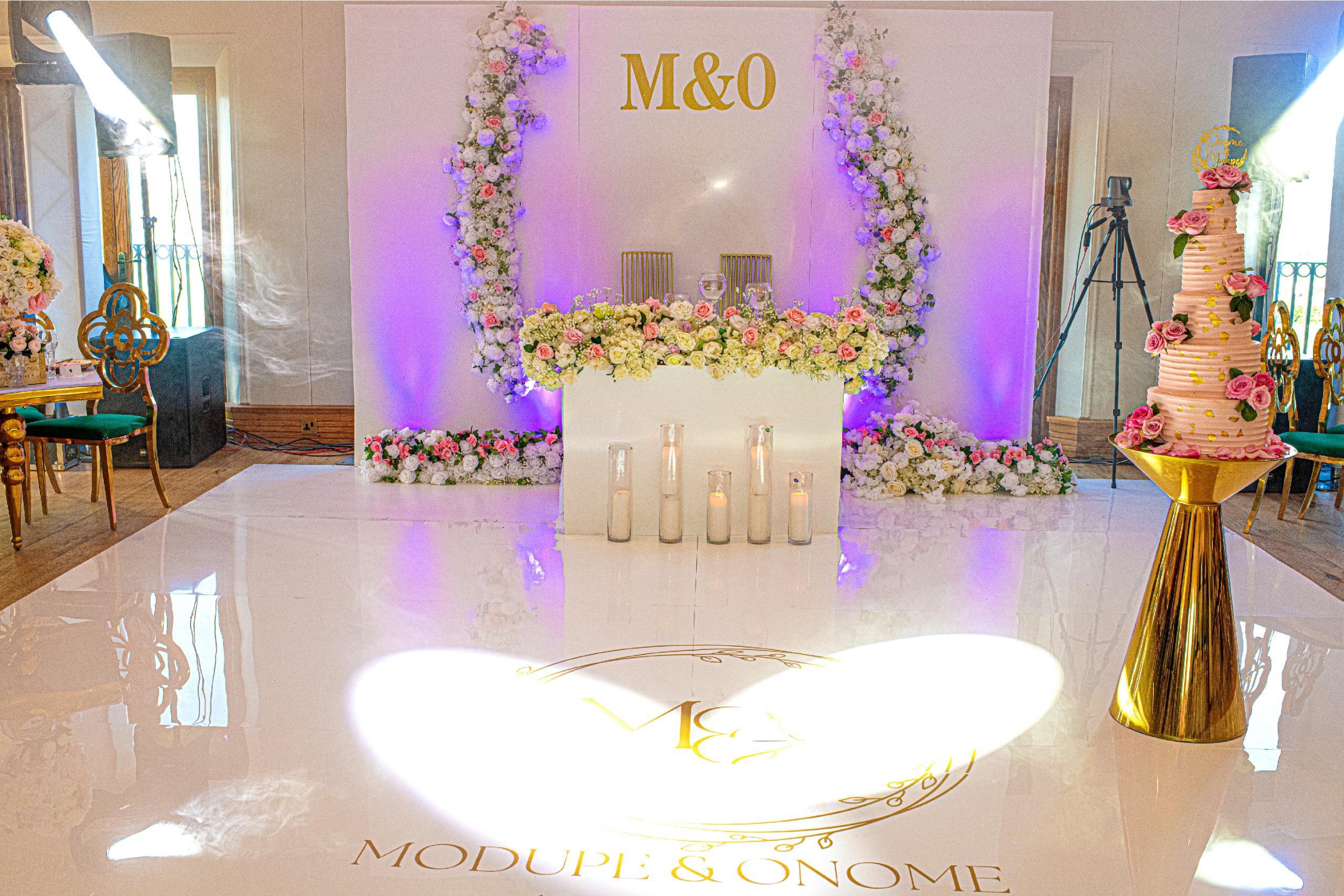
Every event tells a story, and the backdrop is the stage on which that story unfolds. From corporate conferences to weddings and live shows, backdrops play a pivotal role in transforming ordinary venues into extraordinary experiences. They are more than decoration; they are powerful storytelling tools that shape atmosphere, mood, and memory.
Key takeaways from this article:
- Why event backdrops matter in creating lasting impressions
- The role of backdrops across industries and event types
- Five essential skills needed for impactful backdrop design
- Practical tips to elevate any event space with backdrop styling
Why Event Backdrops Matter in Every Space
Backdrops do more than fill empty walls; they define the mood of an event. A sleek, branded backdrop at a corporate gathering communicates professionalism and brand identity, while a floral wall at a wedding sets a tone of elegance and romance. In the entertainment industry, dynamic stage backdrops can energise audiences and enhance performance impact.
The real power lies in their ability to transform spaces cost-effectively. Instead of expensive venue makeovers, a well-designed backdrop can instantly shift the look and feel of a room. This makes them indispensable across the hospitality, corporate, and creative sectors.
The Five Essential Skills for Creating Powerful Event Backdrops
1. Creative Vision and Storytelling
Every event backdrop must tell a story aligned with the event’s purpose. For example, a charity gala might use a backdrop that subtly communicates its cause through colour, imagery, or symbolic design. Skilled designers think beyond materials to craft meaningful experiences.
2. Technical Design Knowledge
A strong grasp of scale, proportion, and spatial awareness is vital. Designers must ensure backdrops fit seamlessly into the venue without overwhelming or underwhelming the setting. This includes understanding lighting, perspective, and how elements interact with the environment.
3. Material Selection and Sustainability
The choice of material significantly affects the backdrop’s impact. Lightweight fabrics create a sense of flow, while wooden frames add structure. Increasingly, sustainability is key, with event professionals choosing eco-friendly materials to meet industry standards and client expectations.
4. Attention to Detail and Craftsmanship
Small details separate a good backdrop from a great one. Precision in finishing, colour harmony, and consistent branding are crucial. For example, at product launches, even a misaligned logo can undermine the entire event aesthetic.
5. Collaboration and Problem-Solving
Backdrop creation often involves working with lighting technicians, florists, and AV teams. Strong collaboration ensures the design integrates seamlessly with other event elements. Problem-solving skills are equally important when last-minute venue changes demand quick adaptations.
Transforming Spaces with Impactful Backdrop Design
An effective backdrop is never an afterthought. It sets the tone, influences guest perception, and creates focal points for engagement. From media walls that encourage photo opportunities to immersive stage sets that transport audiences, the right backdrop design elevates both atmosphere and brand presence.
Conclusion
Backdrops are more than just decorative panels; they are powerful storytelling tools that transform event spaces into immersive experiences. With the right creative vision, technical expertise, and collaborative spirit, they become an essential element of event success.
Ready to elevate your next event with a stunning backdrop? Contact 234Inspired, global leaders in event management, and let their expertise turn your event space into something remarkable.