
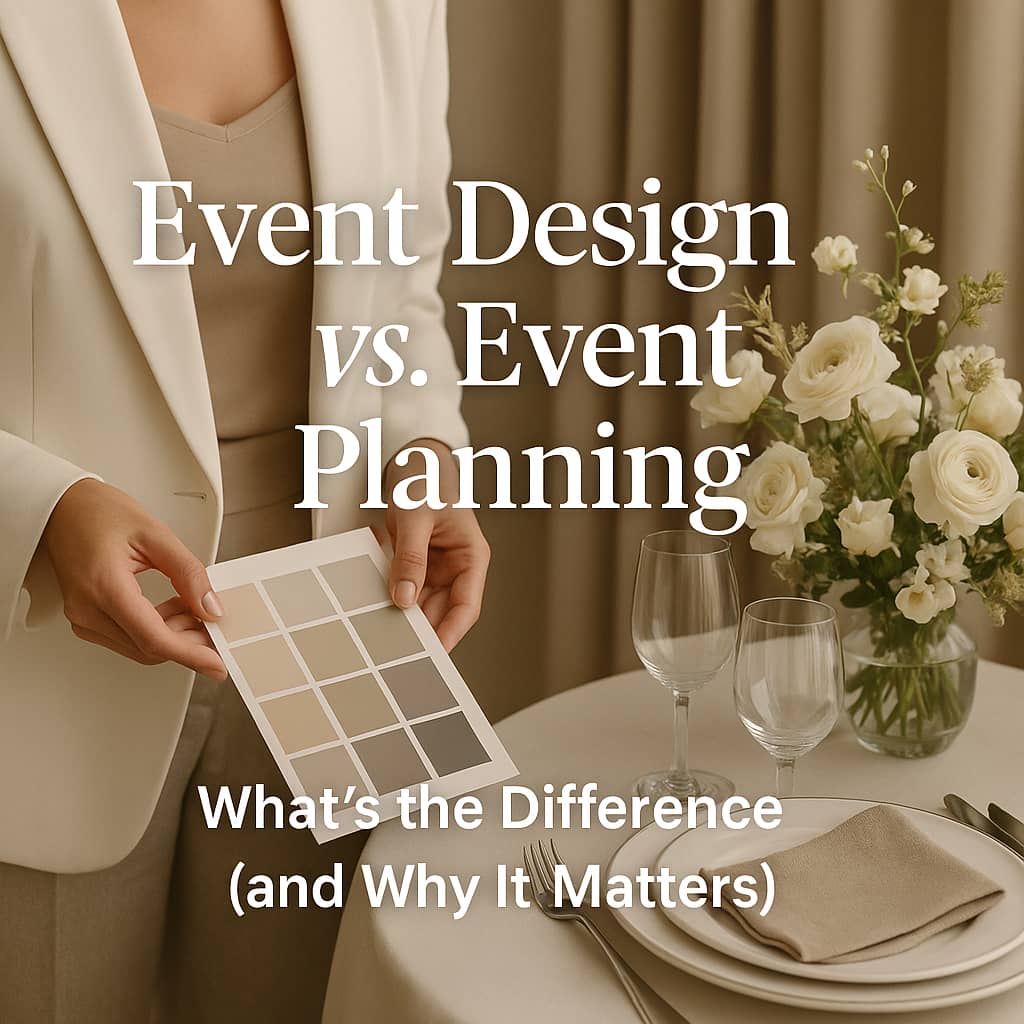
Every memorable celebration starts long before the guests arrive—it begins with vision, creativity, and precise coordination. In the world of events, two crucial roles bring that vision to life: event design and event planning. Though they often overlap, their distinctions are what turn a concept into an extraordinary experience. This topic matters for corporate brands, social hosts, and organisations seeking excellence in their gatherings.
Key takeaways:
- What separates event design from event planning
- How each role contributes to a successful event
- The essential skills every designer and planner needs
- Why understanding both leads to smoother, standout experiences
Understanding Event Design
Event design is the creative backbone of an event. It’s about crafting the look, feel, and atmosphere that bring emotions to life. A designer visualises how guests will experience the space—from the lighting and floral arrangements to colour palettes and textures.
For instance, when planning a memorable themed dinner party, the designer ensures every detail tells a cohesive story, from table settings to scent and sound. Their artistry transforms ordinary venues into captivating experiences that reflect purpose, brand identity, or emotion.
Designers often collaborate closely with planners, but their focus remains on aesthetics and sensory engagement. They use creative thinking, trend forecasting, and visual storytelling to make an event both personal and inspiring.
Understanding Event Planning
If design is the art, planning is the architecture. Event planners manage logistics, timelines, suppliers, budgets, and guest coordination. They ensure everything runs seamlessly—before, during, and after the event.
Professional Planning is the Backbone of Opulent Events, and planners are the experts ensuring that creative ideas meet real-world execution. They’re strategic thinkers, masters of detail, and crisis solvers—anticipating challenges before they occur.
For example, while a designer might select luxurious centrepieces for a gala, the planner secures vendor contracts, coordinates deliveries, and ensures each piece arrives on time. Without strong planning, even the most beautiful designs can fall apart.
Key Differences Between Event Design and Event Planning
| Aspect | Event Design | Event Planning |
| Focus | Visual and emotional experience | Logistics, coordination, and execution |
| Objective | Crafting atmosphere and storytelling | Managing structure and flow |
| Skills Required | Creativity, spatial awareness, trend insight | Organisation, budgeting, communication |
| Outcome | A cohesive visual narrative | A seamless, stress-free experience |
Together, they form a symbiotic relationship—design brings inspiration, planning brings execution, and both ensure guests leave with lasting memories.
Why Understanding the Difference Matters
Knowing the distinction empowers clients to collaborate effectively. Many assume one professional handles both, but recognising their unique strengths helps allocate resources wisely.
For example, a wedding may require a planner to manage logistics while a designer curates the ambience. Corporate events often rely on planners to maintain schedules and designers to create branding moments that impress.
This clarity also reduces confusion, ensures smoother workflows, and enhances creativity—resulting in stress-free event planning that delights guests and clients alike.
Five Essential Skills for Successful Events
1. Creative Vision
Designers must envision experiences beyond decoration. Their creative intuition helps interpret themes, moods, and brand messages into visual form.
2. Organisation and Time Management
Planners handle multiple moving parts—vendors, budgets, schedules. Strong organisational skills ensure flawless execution, from start to finish.
3. Communication and Collaboration
Both designers and planners work with clients, suppliers, and teams. Clear communication prevents misunderstandings and fosters trust.
4. Problem-Solving and Adaptability
Even with meticulous planning, unexpected challenges arise. The ability to think on one’s feet separates good professionals from exceptional ones.
5. Attention to Detail
Every ribbon, seating card, or lighting cue contributes to the event’s overall success. Attention to even the smallest element ensures perfection.
How Event Designers and Planners Work Together
The most successful events result from harmony between design and planning. While designers dream and create, planners make those dreams achievable within time and budget. Together, they transform concepts into experiences that engage every sense.
For instance, when creating an elegant product launch, the designer curates the ambience while the planner ensures schedules, catering, and guest logistics flow seamlessly. It’s a partnership that elevates creativity and ensures excellence from concept to curtain call.
Conclusion
In essence, event design and event planning are two sides of the same coin—creativity and coordination. Understanding their differences enables smoother collaboration and more impactful events. Whether you’re hosting a gala, a corporate conference, or a memorable themed dinner party, the right combination of both brings dreams to life.
Looking to craft your next event with excellence and precision? Contact 234Inspired, the global event management team that transforms vision into flawless execution.