
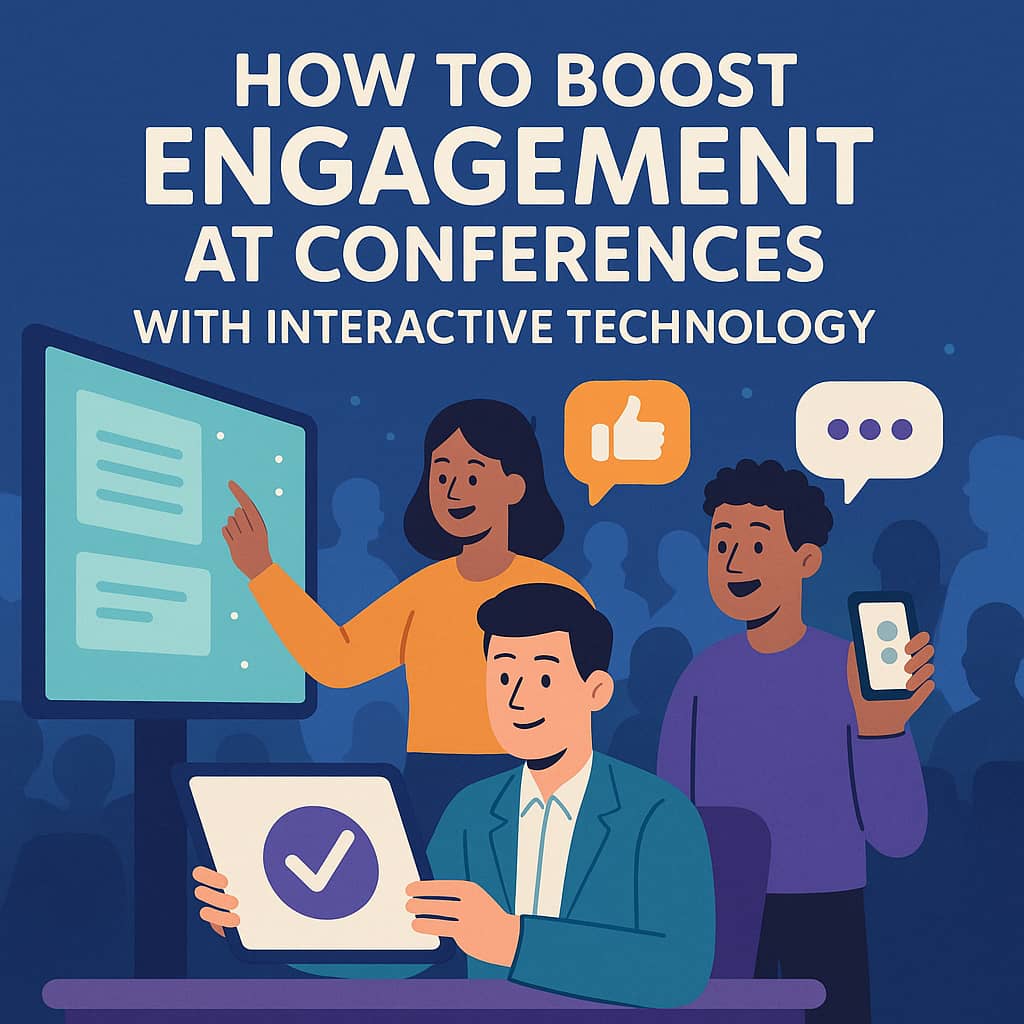
The buzz of conversation fades as the keynote speaker takes the stage. All eyes are forward, but how long before distractions creep in? In today’s fast-paced digital world, engaging an audience at conferences isn’t just desirable, it’s essential. Event organisers, corporate leaders, and industry professionals alike face the challenge of keeping participants actively involved from start to finish. That’s where interactive technology comes in. From live polls to immersive AR experiences, the right tools transform passive listeners into active participants.
Key Takeaways:
- The role of interactive technology in conferences
- How digital tools enhance audience engagement
- Practical examples of tech-driven participation
- Essential skills needed to maximise impact
- How organisations can implement these strategies
Why Interactive Technology Matters at Conferences
Conferences are more than presentations and panel discussions. They’re hubs of networking, learning, and idea exchange. Yet, audiences often struggle to stay engaged with traditional formats. Interactive technology bridges this gap by creating two-way communication. Tools like real-time polling, mobile apps, and gamified sessions encourage active participation. Instead of simply listening, attendees share opinions, ask questions, and contribute to the discussion, making the event more memorable.
Tools that Enhance Conference Engagement
Live Polling and Q&A Platforms
Live polling allows speakers to gauge audience sentiment instantly. Imagine asking a question and seeing responses appear in real time on a big screen. This not only sparks interest but also validates that every voice matters. Q&A platforms further encourage dialogue, enabling attendees to pose questions digitally, avoiding the intimidation of stepping up to a microphone.
Mobile Event Apps
Mobile apps act as a personal conference companion. They allow attendees to check schedules, access speaker bios, and network with others. Push notifications remind participants of upcoming sessions, while interactive features like surveys keep them engaged throughout.
Gamification Strategies
Turning conference sessions into challenges or competitions fuels excitement. Leaderboards, scavenger hunts, and reward points encourage active participation. This is particularly effective for larger conferences where attendees need extra motivation to engage with content.
Augmented and Virtual Reality Experiences
AR and VR bring an immersive dimension to learning. For instance, medical conferences can use VR to simulate surgeries, while tech events can showcase product demonstrations in 3D. These experiences captivate audiences, making knowledge retention stronger.
Networking Technologies
Smart badges and AI-powered matchmaking tools help attendees connect with peers who share common interests. This not only increases engagement but also enhances the overall value of the conference.
Five Essential Skills for Using Interactive Technology Effectively
1. Digital Literacy
Event organisers must understand the basics of interactive tools. Knowing how to set up, monitor, and troubleshoot ensures smooth experiences for attendees.
2. Audience Psychology
Understanding what drives engagement is key. A well-placed live poll or quiz can re-energise the room when attention begins to wane.
3. Content Design
Engagement thrives on well-structured content. Slides, questions, and activities must be carefully crafted to work hand-in-hand with the technology.
4. Real-Time Facilitation
The ability to adapt during the event is critical. A skilled facilitator knows how to weave audience responses into the discussion, keeping sessions dynamic.
5. Data Interpretation
Interactive technology generates valuable insights. Interpreting this data helps organisers understand audience preferences and improve future events.
Practical Examples of Interactive Technology in Action
- A pharmaceutical company used AR to simulate patient experiences, leaving a strong emotional impact on attendees.
- A financial services conference boosted participation with gamified quizzes, awarding points for correct answers.
- A tech summit utilised networking apps that recommended sessions and connections tailored to each participant’s interests.
These examples show that the right technology doesn’t just support engagement, it drives it.
Conclusion
Interactive technology has reshaped how conferences are experienced. From real-time polls to immersive VR demonstrations, these tools keep audiences alert, engaged, and involved. But beyond the technology lies the skill to use it well. With the right approach, conferences evolve from passive presentations into powerful, interactive learning experiences.
If you’re ready to take your event to the next level, contact 234Inspired, a global event management partner that knows how to blend technology with human connection to create impactful experiences.