
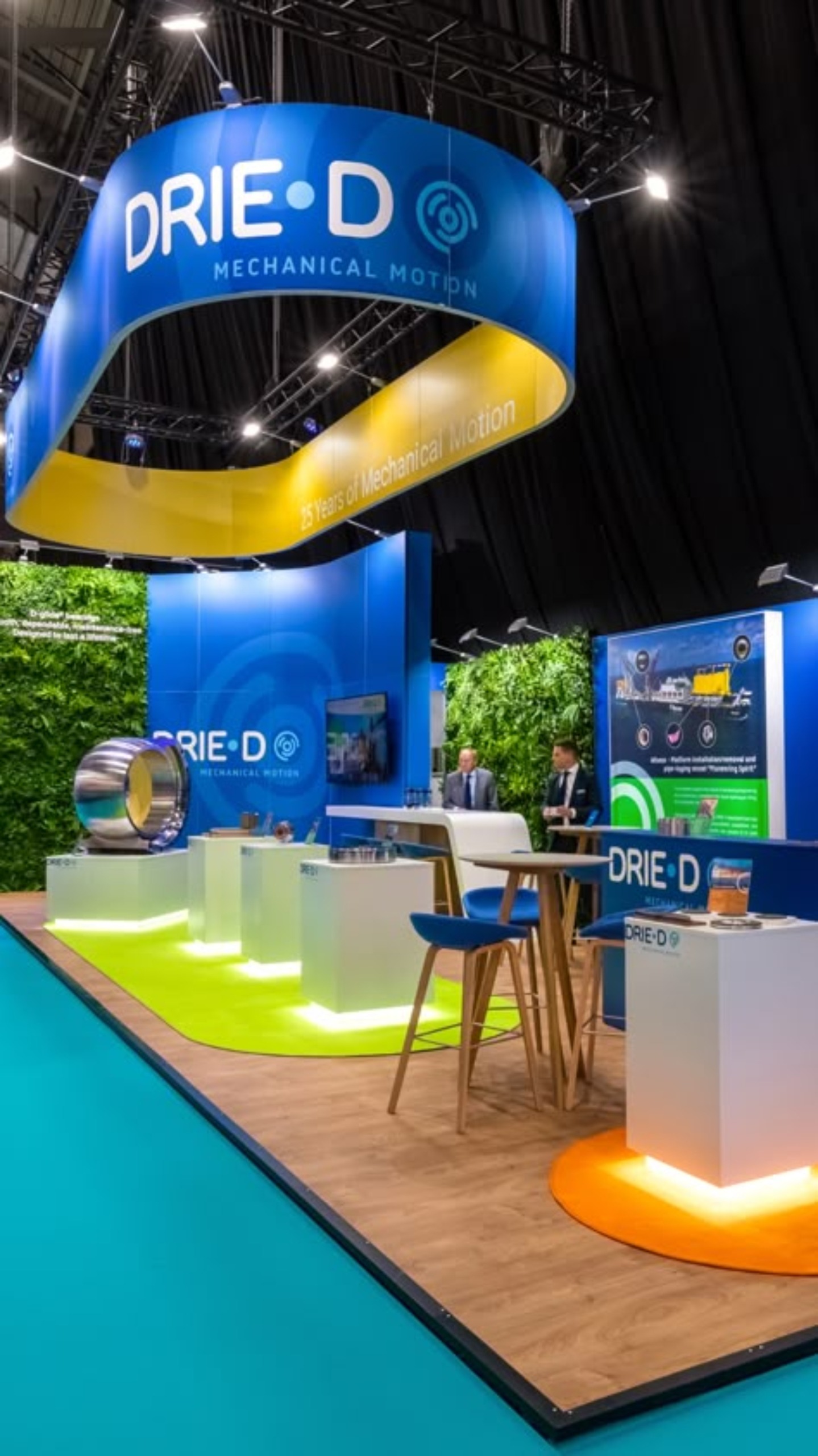
Trade shows are a battleground for brands, a place where first impressions can make or break business opportunities. Imagine walking into a vast convention centre buzzing with energy, filled with eye-catching booths and eager attendees. Now, picture your exhibit standing out, drawing visitors like a magnet. That’s the power of a well-planned trade show exhibit.
For businesses in industries such as technology, retail, healthcare, and manufacturing, trade shows offer an unparalleled opportunity to showcase products, connect with potential clients, and solidify brand presence. But success doesn’t come from just showing up – it requires meticulous planning and execution.
Key Takeaways:
- How to define clear objectives for your trade show participation
- The importance of designing an engaging and functional booth
- Strategies for marketing your exhibit before, during, and after the event
- How to evaluate success and improve for future exhibits
Now, let’s break down the four essential steps to planning a winning trade show exhibit.
1. Set Clear Goals and Objectives
Before diving into logistics, take a step back and define what success looks like for your business at the trade show. Without clear objectives, your exhibit risks becoming just another stand in the crowd.
Ask Yourself:
- Are you aiming to generate leads, strengthen brand awareness, or launch a new product?
- How many attendees do you want to engage with?
- What metrics will you use to measure success?
For example, a tech startup launching a new software might focus on booking 50 live demos, while a fashion brand may aim for 200 social media mentions during the event. By having these goals, you can tailor every aspect of your exhibit – from booth design to marketing strategies – to meet them.
2. Design a Standout Booth
Your booth is the physical representation of your brand. It should be visually appealing, functional, and welcoming. A poorly designed booth can make attendees walk past without a second glance.
Key Elements of an Effective Trade Show Booth:
- Attractive Visuals: Use bold colours, eye-catching signage, and engaging graphics.
- Interactive Elements: Incorporate live demos, product samples, or touchscreens.
- Strategic Layout: Ensure an open, inviting space that encourages interaction.
- Comfortable Meeting Areas: Have seating arrangements for longer discussions.
Consider a company like Tesla at an automotive trade show. Instead of a standard booth, they create an immersive experience with electric cars on display, interactive charging stations, and engaging presentations. Think about how you can replicate this level of engagement within your industry.
3. Market Your Exhibit Before, During, and After the Event
Trade show marketing starts long before the event itself. Many companies make the mistake of relying solely on foot traffic, missing out on a massive audience.
Pre-Event Marketing:
- Email Campaigns: Notify your existing customers and prospects about your presence.
- Social Media Buzz: Use event hashtags, teaser posts, and countdowns.
- Press Releases: Announce your participation and any exclusive product launches.
During the Event:
- Live Social Media Updates: Share photos, videos, and behind-the-scenes content.
- Engage Visitors: Offer contests, giveaways, or exclusive discounts.
- Networking: Connect with industry influencers, partners, and media representatives.
Post-Event Follow-Up:
- Email Recap: Send thank-you emails with additional resources.
- Lead Nurturing: Follow up with promising contacts and schedule meetings.
- Content Sharing: Write blog posts or case studies about your trade show experience.
Imagine you’re at a trade show showcasing an innovative fitness gadget. Posting live demonstrations on Instagram Stories and offering a giveaway for people who visit your booth can significantly increase engagement and lead conversions.
4. Measure Success and Plan for the Future
Once the trade show is over, your work isn’t done. Analysing the effectiveness of your exhibit is crucial to improving future performances.
Key Metrics to Track:
- Lead Generation: How many quality leads did you collect?
- Engagement Levels: Number of booth visitors, social media interactions, and demo sign-ups.
- Sales Impact: How many conversions came directly from the trade show?
Collect feedback from your team and attendees to identify areas for improvement. Were there bottlenecks in your booth layout? Did your promotional strategy generate enough foot traffic? Use these insights to refine your approach for future trade shows.
Conclusion
A successful trade show exhibit doesn’t happen by chance – it requires strategic planning, creative execution, and continuous improvement. By setting clear goals, designing an engaging booth, marketing effectively, and measuring results, you can turn your trade show presence into a powerful business growth tool.
Start planning your next trade show exhibit today and make a lasting impact in your industry.
Ready to elevate your trade show game? Connect with 234Inspired for expert guidance and creative solutions that make your brand stand out.