
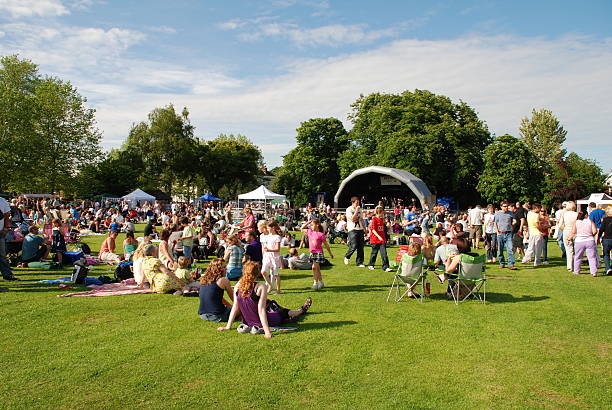
Community events are powerful tools for fostering connection, unity, and inclusivity. However, not all events cater to diverse groups, leaving some individuals feeling excluded. Whether you’re organising a neighbourhood gathering, a charity fundraiser, or a business networking event, ensuring inclusivity is key to its success.
Creating an inclusive event means considering accessibility, cultural sensitivity, and diverse participation. In this guide, we’ll explore creative ideas to make your community events welcoming for everyone.
Key Takeaways:
- Understanding the importance of inclusivity in community events
- Essential tips for creating an engaging and welcoming atmosphere
- Practical ways to ensure accessibility for all attendees
- How to encourage diverse participation and representation
1. Prioritise Accessibility and Comfort
To make a community event truly inclusive, accessibility should be at the forefront of planning. Consider different needs, including physical, sensory, and cognitive disabilities.
- Venue Selection: Choose a location with wheelchair ramps, accessible restrooms, and step-free entry. Outdoor events should have firm pathways for mobility aids.
- Communication Aids: Provide sign language interpreters, live captions, and braille materials to accommodate individuals with hearing or visual impairments.
- Seating Arrangements: Offer a mix of seating options, including quiet spaces for those with sensory sensitivities.
- Dietary Considerations: Provide a variety of food options, catering to allergies, religious diets, and vegan or vegetarian preferences.
Example: A local arts festival in Manchester included sensory-friendly hours with reduced noise levels and designated quiet zones, ensuring a comfortable experience for neurodiverse attendees.
2. Foster a Sense of Belonging with Representation
Representation matters when hosting inclusive events. Attendees feel more welcome when they see diversity reflected in the event’s speakers, performers, and activities.
- Diverse Speakers and Panellists: Invite individuals from different cultural backgrounds, genders, and abilities to share their insights.
- Multilingual Support: Offer translation services or multilingual event materials to cater to diverse communities.
- Culturally Inclusive Programming: Incorporate elements from different traditions, such as music, dance, or storytelling, to celebrate diversity.
- Community-Led Initiatives: Involve local groups and organisations in event planning to ensure a broad range of voices are heard.
Example: A community centre in Birmingham hosted a storytelling night where people from various cultural backgrounds shared traditional folktales, fostering a sense of unity and learning.
3. Encourage Active Participation for All
An inclusive event should engage attendees beyond just being spectators. Providing interactive elements ensures people of all abilities and backgrounds can participate meaningfully.
- Interactive Workshops: Offer hands-on activities like art, cooking, or dance that allow people to contribute in different ways.
- Flexible Event Formats: Use hybrid models, combining in-person and virtual options, so people who can’t attend physically can still participate.
- Collaborative Games and Activities: Choose activities that require teamwork and accommodate different abilities, such as storytelling circles or inclusive sports.
- Social Media Integration: Create event hashtags, live streams, or online polls to engage remote participants.
Example: A public library in Glasgow ran a virtual book club alongside an in-person discussion, allowing individuals with mobility limitations to join from home.
4. Create a Welcoming Atmosphere with Inclusive Messaging
The language and tone of an event significantly impact how inclusive it feels. Thoughtful messaging ensures everyone feels valued and respected.
- Event Invitations and Promotions: Use inclusive language in marketing materials, avoiding gendered or exclusionary phrases.
- Clear Event Guidelines: Set expectations for respectful behaviour and zero tolerance for discrimination.
- Diversity in Visuals: Feature a mix of people in promotional images and videos to represent different communities authentically.
- Personalised Welcomes: Train staff and volunteers to greet attendees warmly and assist those who may need support.
Example: A London tech conference implemented gender-neutral registration options and featured an “Inclusion Ambassador” to assist attendees with accessibility concerns.
Conclusion
Hosting an inclusive community event goes beyond just inviting people—it requires intentional planning to ensure everyone feels welcome, comfortable, and valued. By prioritising accessibility, representation, engagement, and inclusive messaging, you can create a space where all attendees can connect and participate meaningfully.
Looking to create more inclusive events? Contact 234Inspired and take your community gatherings to the next level.