
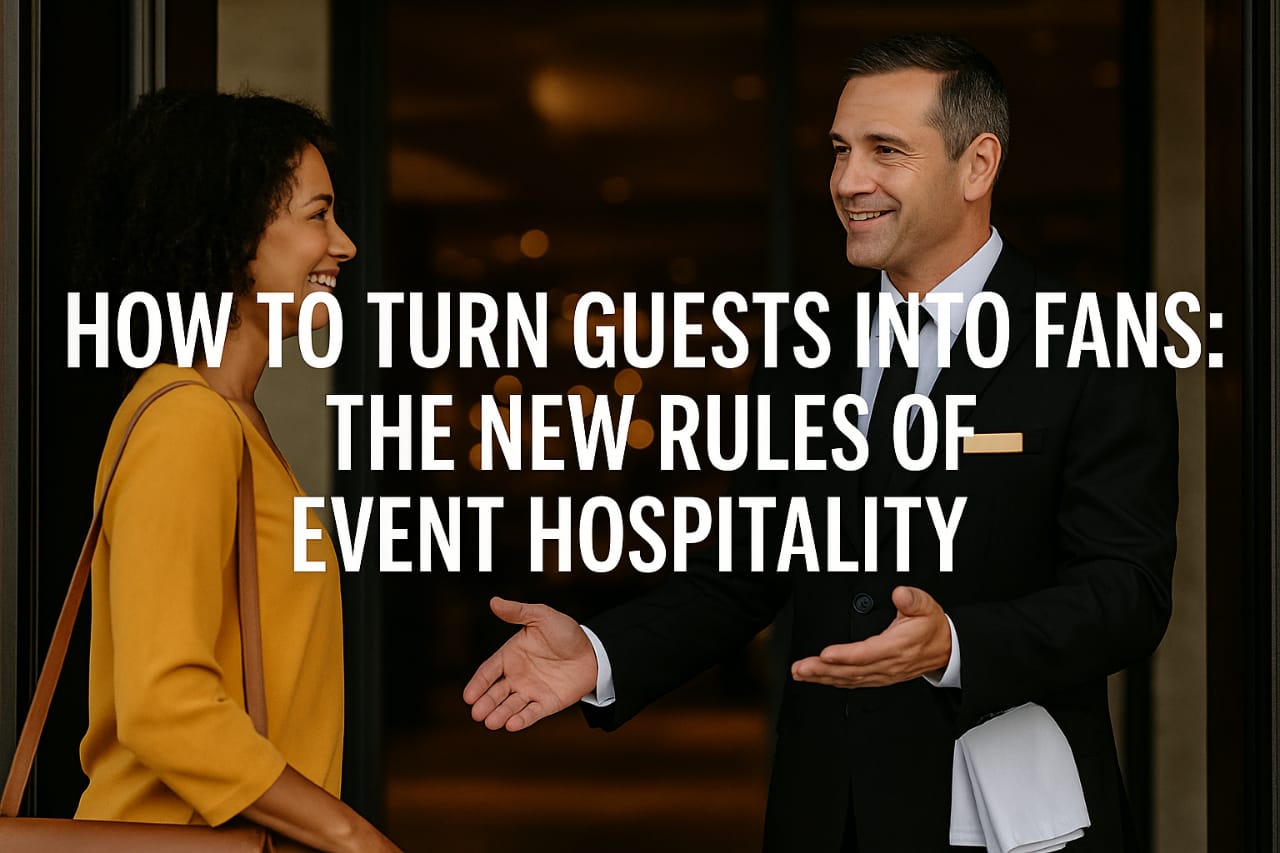
Every event tells a story, and at the heart of that story are the guests. The modern event landscape in the UK has transformed, pushing planners, venues and brands to rethink how they treat the people who walk through their doors. Hospitality is no longer just about service. It is about creating deeper emotional connections that make guests feel valued, seen and eager to return. This shift is shaping corporate events, social celebrations and brand activations across the industry.
In this article, we will explore:
- How event hospitality has evolved
- The new rules that define exceptional guest experience
- Key strategies for engaging guests in meaningful ways
- Five essential hospitality skills every event professional needs
- Why thoughtful hosting transforms guests into fans
Event Hospitality and Its New Role
Modern event hospitality goes beyond offering polite service. It focuses on creating a journey that feels personal, intentional and full of warmth. Guests now expect experiences that speak to their preferences, values and desires. This means event planners must think creatively about touchpoints, communication and interaction.
From the moment guests arrive, the atmosphere should feel welcoming and prepared. Clear signage, friendly staff and seamless entry are small actions that build trust early on. When guests feel comfortable, they engage more openly, resulting in a livelier and more memorable experience. Hospitality is now a strategic tool rather than a finishing touch.
How to Turn Guests into Fans Through Engagement
Turning guests into fans requires more than good service. It demands active engagement that makes them feel part of the experience rather than observers. Interactive elements such as live polls, themed lounges or personalised gifts encourage participation and connection.
For corporate events, engagement can take the form of storytelling sessions or hands on demos that let guests explore a brand identity. For weddings or social gatherings, it might be thoughtful seating, meaningful entertainment or customised elements that reflect the hosts. When people feel considered, they remember the event long after it ends.
The Power of Personalisation in Event Hospitality
Personalisation strengthens relationships between hosts and guests. Small details such as tailored welcome notes, curated playlists or bespoke refreshments can change the entire tone of an event. People appreciate recognition, and personal touches communicate sincerity.
For instance, offering a menu that accounts for dietary needs without making guests feel singled out is a powerful gesture. Similarly, providing quiet zones at large gatherings supports guests who prefer calmer environments. Personalisation creates emotional resonance, making guests feel valued and eager to return.
Five Essential Skills for Modern Event Hospitality
Delivering exceptional event hospitality requires a combination of interpersonal, strategic and creative skills. The following five are essential for industry professionals:
1. Empathy and Guest Insight
Empathy allows planners to understand and anticipate guest needs. It involves reading the room, noticing discomfort and resolving issues before they escalate. Events run smoother when guests feel understood.
2. Communication Skills
Clear and friendly communication sets expectations and prevents confusion. Staff should deliver instructions with confidence and positivity, ensuring guests always feel supported.
3. Situational Awareness
Great hospitality professionals pay attention to details. They monitor flow, sound levels and guest reactions, adjusting plans quickly to maintain comfort and enjoyment.
4. Creative Problem Solving
Unexpected challenges arise at events. The ability to think creatively under pressure helps teams deliver solutions that protect the guest experience.
5. Collaboration and Leadership
Hospitality relies on teamwork. Strong leaders motivate their teams, delegate effectively and ensure every department works together to support guests.
These skills ensure that hospitality is not only delivered but felt.
The New Rules of Event Hospitality
The rules of hospitality today reflect the expectations of a more informed and experience driven audience. Guests want authenticity, comfort and thoughtful interaction. The following principles define modern hospitality:
- Prioritise human connection over formality
- Offer intuitive service that anticipates needs
- Balance efficiency with warmth
- Create spaces that encourage movement and interaction
- Respond to guest feedback in real time
Following these rules helps transform traditional hosting into a memorable, engaging and meaningful experience.
Building Lasting Relationships with Guests
Events are powerful opportunities to build long term relationships. When guests feel appreciated, they are more likely to speak positively about the event, return to future gatherings and engage with the brand or host outside the event space.
Relationship building begins with consistency. Hosts should deliver the same level of care from arrival to departure. Loyalty grows when guests feel supported not just in moments of excitement but throughout the entire experience.
Conclusion
The future of event hospitality lies in designing experiences that inspire loyalty and emotional connection. When planners embrace empathy, personalisation and thoughtful engagement, guests naturally become fans. They leave satisfied but also eager to return and share their experience with others.
For help creating hospitality driven experiences that stand out, contact 234Inspired, a global event management company committed to delivering thoughtful and engaging events worldwide.