
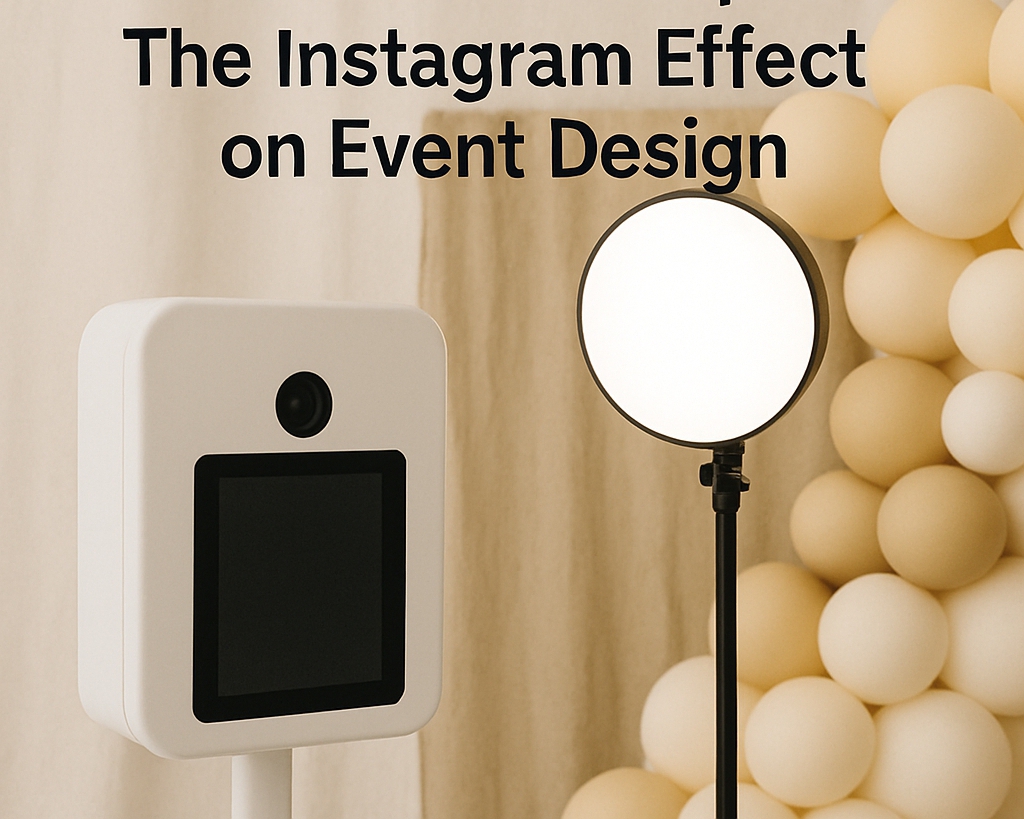
The modern event space has evolved into more than just a gathering—it’s become a stage for stories. From corporate galas to weddings and product launches, event design now lives in harmony with social media culture. Instagram has transformed how people experience and share moments, making aesthetics and interactivity crucial elements in event planning.
This shift has given rise to a new creative era where lighting, backdrops, and photo booths are not just accessories but storytelling tools. In this article, we’ll explore:
- How Instagram influences event design trends
- The rise of photo booths as brand amplifiers
- The role of lighting in atmosphere and storytelling
- The power of creative backdrops
- Five essential event design skills every planner needs
The Instagram Effect on Event Design
Instagram has become the lens through which modern audiences view experiences. The platform’s visual nature encourages people to seek out and share aesthetically pleasing moments. For event planners, this means that design elements must not only look beautiful in person but also photograph perfectly.
The “Instagrammable moment” has now become a design goal. From carefully placed neon signs to bespoke seating areas, events are curated with a visual story in mind. The result is immersive environments that blend creativity with shareability—turning guests into brand ambassadors with a single post.
Photo Booths as Storytelling Tools
Gone are the days of simple, static photo corners. Today’s photo booths are interactive installations designed to extend the event’s narrative. Equipped with filters, branding overlays, and digital sharing features, they transform guests into co-creators of content.
For corporate events, a branded photo booth encourages organic promotion, amplifying reach beyond the venue. At weddings and private functions, they offer guests a chance to express personality and emotion in front of the camera. The best photo booths seamlessly merge technology and creativity, turning fun into a powerful form of storytelling.
Lighting: The Silent Scene Setter
Lighting has always been vital in event design, but the Instagram generation has magnified its importance. The right lighting not only enhances décor but also shapes the emotion of a space.
Soft amber tones evoke intimacy for dinners, while dynamic colour washes bring energy to live performances. For social media, strategic lighting ensures that every photo looks professional—without the need for filters. Successful lighting design balances technical precision with artistic flair, ensuring every corner is camera-ready.
Backdrops: The Frame of the Story
Backdrops serve as the canvas upon which event memories are captured. They define the tone, theme, and personality of the experience. From floral walls and geometric panels to digital LED displays, creative backdrops have become a statement of intent.
In brand activations, a striking backdrop communicates identity and values instantly. For weddings or private events, it adds visual harmony, enhancing both in-person beauty and online presence. The artistry lies in designing a backdrop that invites interaction while staying authentic to the event’s message.
Five Essential Skills for Modern Event Designers
To meet the expectations of visually driven audiences, today’s event designers need a balance of creativity, strategy, and technical knowledge. Here are five essential skills every professional should master:
- Visual Storytelling – The ability to weave a narrative through design choices, colours, and lighting setups.
- Technical Proficiency – Understanding sound, lighting, and multimedia integration to enhance sensory engagement.
- Trend Awareness – Staying attuned to global design trends and adapting them to local contexts.
- Social Media Insight – Designing with digital sharing in mind to maximise visibility and brand engagement.
- Collaboration & Coordination – Working with photographers, lighting engineers, and stylists to create cohesive experiences.
Each skill helps transform ordinary events into immersive experiences that resonate both offline and online.
The Future of Event Design
As technology evolves, event design continues to blend physical and digital experiences. Augmented reality walls, interactive projections, and AI-powered lighting are redefining how guests interact with spaces.
The future of event design will focus on personalisation—crafting unique visual stories for every audience. The Instagram effect isn’t just about aesthetics; it’s about connection, authenticity, and participation. Successful events will be those that understand and embrace this cultural shift.
Conclusion
The influence of Instagram on event design is undeniable. Photo booths, lighting, and backdrops have become more than decorative features—they are the foundation of visual storytelling in modern celebrations. By blending creativity with strategic intent, event planners can craft experiences that live far beyond the venue walls.
For event organisers and brands looking to design visually stunning, story-rich experiences, contact 234Inspired to bring creativity and precision to every occasion.