
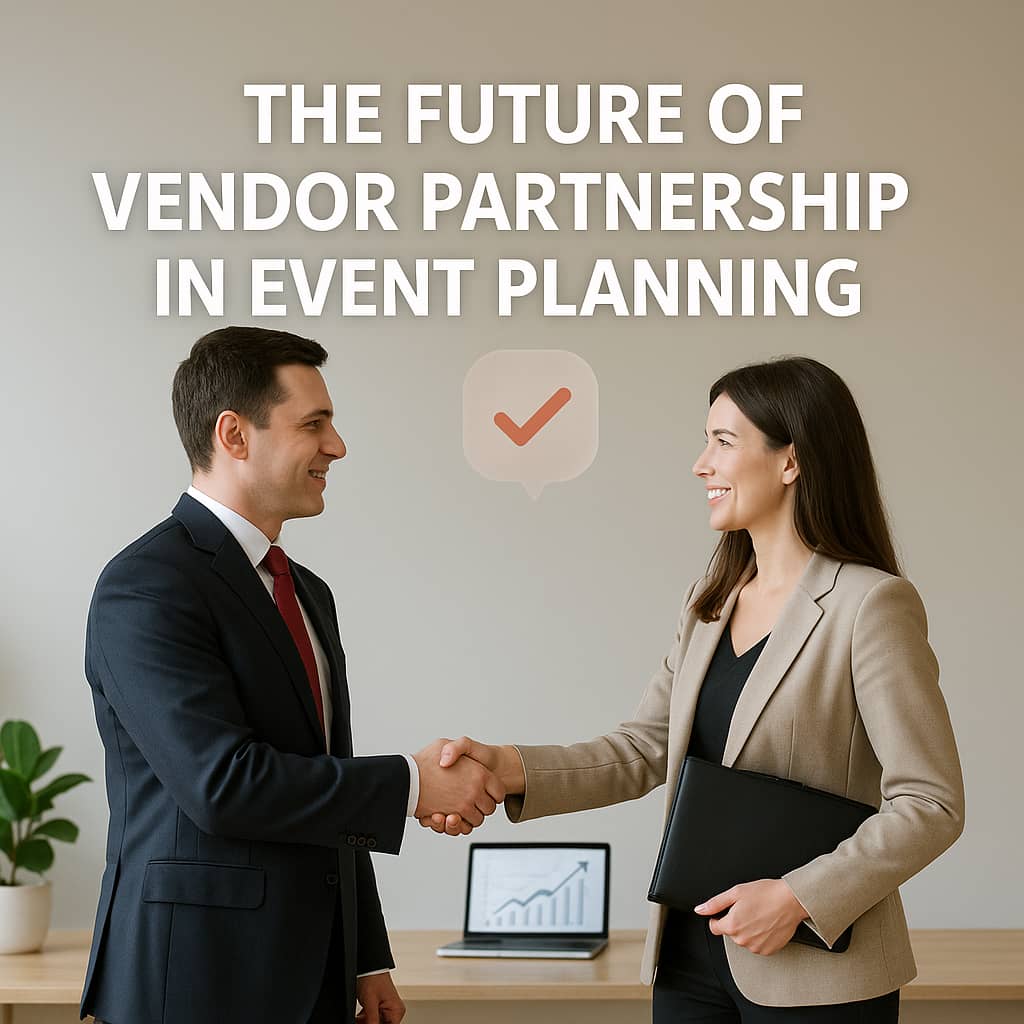
The world of event planning is evolving rapidly, shaped by technology, shifting client expectations, and the increasing need for seamless collaboration. At the heart of this transformation lie vendor partnerships, the unseen threads holding events together. From caterers and AV specialists to décor providers and logistics experts, the success of any event hinges on these alliances. For planners, vendors, and industry stakeholders alike, understanding how partnerships will adapt to the future is not only crucial but also game changing.
Key takeaways you’ll discover in this article:
- Why vendor partnerships are vital in modern event planning
- How technology is redefining collaboration
- Five essential skills for future-ready vendor relationships
- The impact of sustainability on partnerships
- Strategies to strengthen collaboration and trust
Why Vendor Partnerships Matter in Event Planning
Vendor partnerships form the backbone of the event industry. They determine not only the quality of the experience but also the efficiency of execution. A single weak link can unravel months of preparation, while strong partnerships elevate events into unforgettable experiences.
In the UK events sector, where the market is projected to reach over £42 billion by 2030, partnerships are becoming increasingly strategic. Event planners no longer just hire vendors; they forge long term collaborations. These relationships allow for smoother negotiations, preferential pricing, priority service, and innovative co creation that benefits both parties.
Emerging Trends Shaping Vendor Partnerships
Several shifts are transforming how vendors and planners interact:
- Digital Platforms and Automation
Online vendor management systems streamline communication, scheduling, and payment processes, reducing bottlenecks. - Sustainability Commitments
Eco friendly suppliers are now preferred, reflecting the growing demand for green practices. - Hybrid and Tech Driven Events
AV partners, streaming platforms, and interactive tech vendors are indispensable in today’s blended event landscape. - Global Reach with Local Expertise
International vendors with strong local networks are becoming more valuable as brands expand globally. - Shared Risk and Flexibility
Partnerships now emphasise resilience, ensuring both parties adapt swiftly to unexpected changes.
Five Essential Skills for Future Ready Vendor Partnerships
Building and sustaining strong vendor relationships requires specific skills. Here are the five that matter most:
1. Communication and Transparency
Open communication is the lifeblood of partnerships. Planners who share clear timelines, expectations, and budgets allow vendors to perform at their best. Likewise, vendors who are upfront about limitations avoid costly surprises.
2. Negotiation and Collaboration
Negotiation isn’t about driving costs down; it’s about finding win win solutions. Skilled planners know how to secure value while respecting vendor margins, ensuring long term loyalty. Collaboration ensures both sides work toward shared goals rather than competing interests.
3. Adaptability and Problem Solving
Events rarely unfold without challenges. Vendors and planners who adapt quickly and find creative solutions together strengthen trust. For example, a supplier who proposes a last minute alternative when stock runs low showcases resilience.
4. Cultural Awareness and Relationship Building
As events become more global, cultural sensitivity is essential. Understanding vendor backgrounds, traditions, and business etiquette fosters stronger relationships and smoother collaboration.
5. Strategic Thinking and Innovation
Future focused planners treat vendors as partners in innovation. From co developing new event experiences to trialling cutting edge technology, strategic thinking creates opportunities that set events apart.
Sustainability and Ethical Vendor Partnerships
The drive towards sustainability is reshaping vendor selection. Planners increasingly favour suppliers who embrace eco friendly practices such as waste reduction, renewable energy, and ethical sourcing. These considerations not only appeal to socially conscious attendees but also future proof the industry.
For instance, venues powered by renewable energy or caterers specialising in locally sourced menus aren’t just ticking boxes; they’re showcasing a vision for the future. Vendors who align with these values are more likely to secure long term contracts with leading event planners.
Strengthening Trust and Collaboration in the Future
Trust is the cornerstone of every successful vendor partnership. Building it requires:
- Consistency: Delivering reliably over time
- Accountability: Owning up to mistakes and addressing them swiftly
- Shared Vision: Aligning goals for mutual success
Forward looking partnerships will be defined by long term collaboration rather than transactional arrangements. Vendors who go the extra mile and planners who value that effort will set the standard for excellence.
Conclusion
The future of vendor partnerships in event planning is one of innovation, sustainability, and collaboration. As the UK events industry continues to thrive, the partnerships between planners and vendors will become even more strategic and dynamic. Those who master communication, adaptability, cultural awareness, collaboration, and innovation will lead the way in creating impactful, seamless experiences.
Ready to elevate your next event through future focused vendor partnerships? Contact 234Inspired today and discover how a global event management team can transform your vision into a success.