
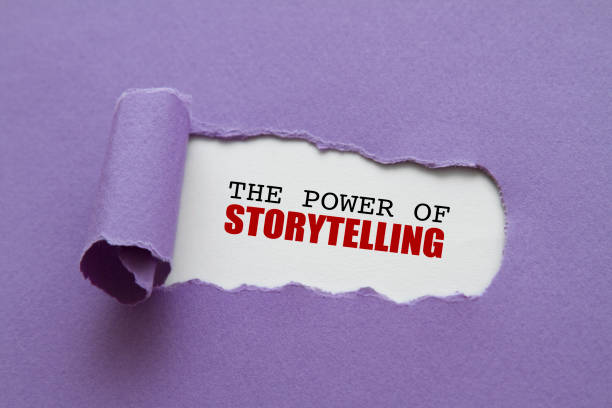
In a world where experiences matter more than ever, storytelling in event planning has become a game-changer. It’s not just about hosting an event—it’s about creating a journey, a memory that lingers long after the lights dim. Whether you’re planning a corporate conference, a wedding, or a product launch, the power of a well-crafted narrative can captivate your audience and elevate your event to new heights.
Why does storytelling matter? Because people connect with stories—they evoke emotions, foster engagement, and make events feel personal. For event planners, embracing storytelling is no longer optional; it’s essential to stand out in an oversaturated market.
Key Takeaways:
- Why storytelling is a vital tool in modern event planning.
- How to create a compelling narrative for any event.
- Four essential storytelling strategies to make your events memorable.
- Real-life examples of successful storytelling in action.
Why Storytelling Is Essential in Event Planning
Think back to the most memorable event you attended. What made it special? Was it the elegant venue, the gourmet food, or the dazzling entertainment? While these elements matter, it’s often the emotional connection—the story behind the event—that stays with us.
Storytelling in event planning is about weaving a cohesive narrative that runs through every touchpoint. From the invitations to the décor, the speakers to the closing remarks, every element should reflect the core message. This narrative transforms guests from passive attendees to active participants, fully immersed in the experience.
Consider a charity gala aiming to raise awareness for a local children’s hospital. Instead of simply presenting statistics, organisers could share the story of a young patient who benefited from the hospital’s care. This human-centred approach makes the cause tangible and inspires attendees to contribute.
Four Essential Storytelling Strategies for Unforgettable Events
1. Define a Clear Narrative Arc
Every great story follows a narrative arc—beginning, middle, and end. Apply this structure to your event to guide your audience through an emotional journey.
- Beginning: Set the stage. Introduce the purpose of your event and establish the mood.
- Middle: Build the experience. This is where the main content unfolds—keynote speeches, interactive sessions, or performances.
- End: Deliver a powerful conclusion. Leave attendees with a lasting impression and a clear call to action.
For instance, a product launch might start by highlighting the problem the product solves, followed by unveiling the innovation, and concluding with testimonials from users whose lives have improved. This narrative keeps guests engaged and invested throughout.
2. Use Multi-Sensory Storytelling
Engage more than just the mind—appeal to the senses. Incorporating visual, auditory, and even tactile elements enhances the narrative and leaves a deeper impact.
- Visual: Thematic décor and dynamic presentations can visually narrate your story.
- Auditory: Music and spoken word help to reinforce key themes.
- Tactile: Interactive displays or physical takeaways (such as a custom gift) bring stories to life.
Consider a travel-themed corporate retreat. Beyond presentations about global markets, the event could feature cuisine from different countries, ambient sounds of bustling cities, and souvenir passports. These immersive touches make the story tangible.
3. Personalise the Experience
Tailor your story to resonate with your audience. When attendees see themselves reflected in the narrative, they are more likely to engage emotionally.
- Use attendee data to customise communications.
- Share stories that align with their values and aspirations.
- Provide opportunities for guests to contribute their own experiences.
For example, at a leadership summit, you could highlight personal success stories from participants. Invite attendees to share their journeys via social media, creating a collaborative narrative that extends beyond the event itself.
4. Create Memorable Moments
The most powerful stories are built around defining moments. Identify key touchpoints within your event and craft experiences that spark emotion and conversation.
- Surprise elements (e.g., a celebrity guest or unexpected gift).
- Emotional storytelling through video montages or live performances.
- Thoughtful, symbolic gestures (e.g., planting a tree for each guest to represent future growth).
At a wedding, for instance, a couple might incorporate handwritten letters to each guest, sharing a personal memory or hope for the future. This small but heartfelt gesture turns a traditional celebration into an intimate story of love and connection.
Real-Life Example: Storytelling Success in Action
In 2023, an environmental non-profit hosted a “Walk Through the Future” event to raise awareness about climate change. Rather than relying on traditional speeches, they crafted an immersive journey. Guests walked through time-themed zones—starting in a lush, thriving forest and ending in a stark, post-apocalyptic landscape.
Each zone featured personal stories from communities affected by climate change. Attendees left with a sapling to plant, symbolising their role in creating a better future. This powerful narrative not only educated but inspired action, raising 40% more in donations than anticipated.
Conclusion: The Lasting Impact of Storytelling in Event Planning
In today’s experience-driven world, storytelling in event planning isn’t just a trend—it’s a transformative tool. By defining a clear narrative, engaging the senses, personalising the experience, and creating memorable moments, you can craft events that leave a profound impact.
As you plan your next event, think beyond logistics and focus on the story you want to tell. It’s the stories that make us feel, connect, and remember long after the final curtain falls.
Are you ready to elevate your event with the magic of storytelling? Let 234Inspired guide you in crafting unforgettable experiences that truly resonate.