
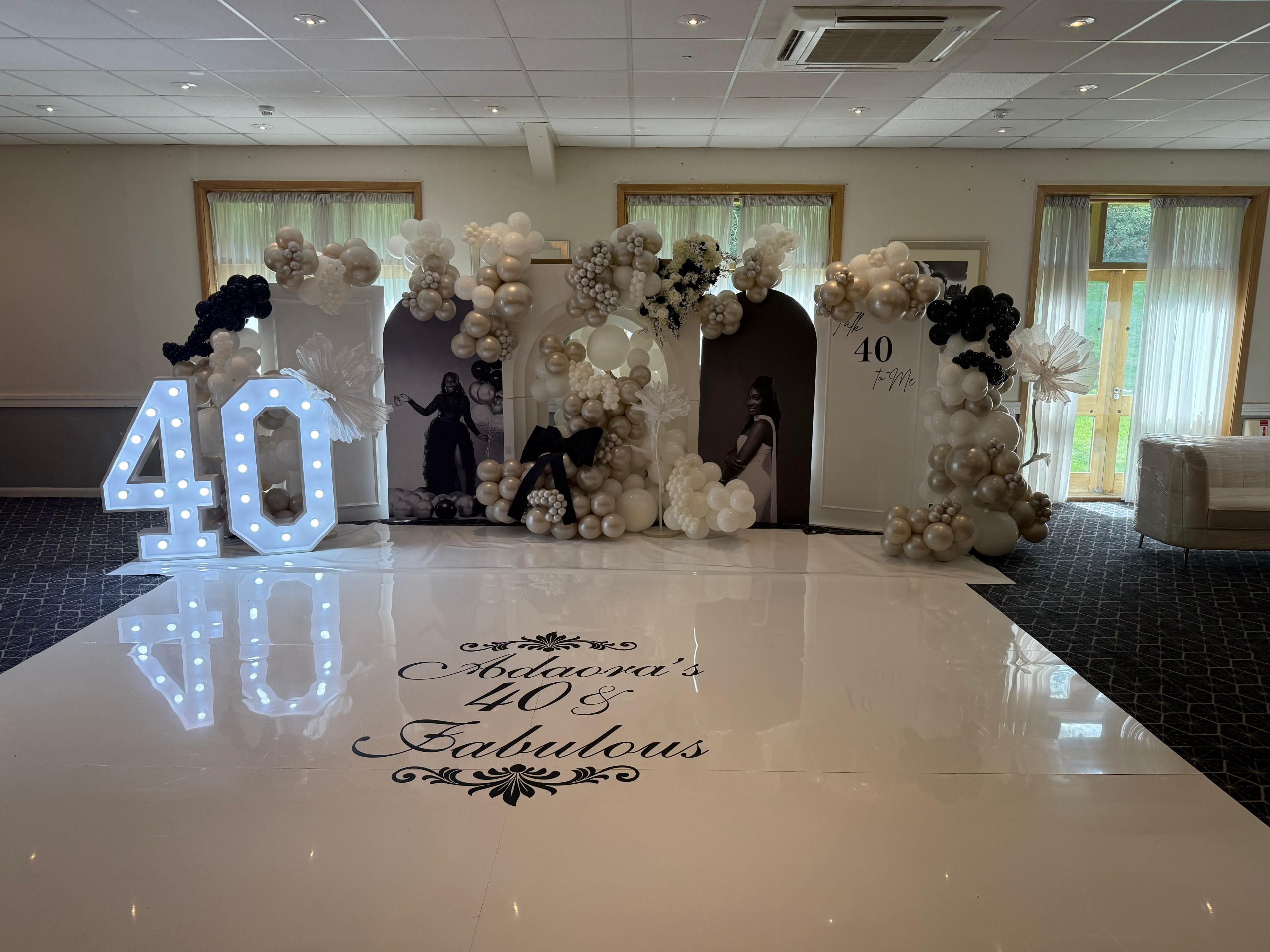
Every great event tells a story. From product launches to annual conferences, each gathering reflects the essence of a brand. One powerful storytelling tool that often goes unnoticed is the backdrop. More than a decorative piece, a backdrop is a visual ambassador that communicates brand identity, sets the tone, and enhances guest experience.
In this article, we’ll explore:
- The importance of backdrops in corporate branding
- The impact of design and visual consistency
- Five essential skills for creating effective branded backdrops
- How event professionals can use them to drive engagement
Why Backdrops Are Crucial in Corporate Branding
Corporate events are more than just gatherings; they’re brand experiences. Every visual element must align with a company’s values and image, and backdrops play a key role in achieving that harmony.
A well-designed backdrop becomes a visual anchor that strengthens recognition. Think of a press conference featuring a sleek branded wall behind the speaker—it subtly reinforces trust and professionalism. In trade shows or networking events, an eye-catching backdrop becomes a conversation starter, drawing attendees and framing photo opportunities that live long after the event ends.
Building Visual Consistency
Consistency is vital for brand recognition. Using brand colours, fonts, and logos cohesively across all materials, including backdrops, creates a seamless visual experience. This reinforces the company’s identity, making it instantly recognisable to clients, partners, and employees alike.
For instance, a technology company might use minimalistic designs with sharp lines and cool tones, while a creative agency could choose bold patterns and vibrant colours. The goal is to reflect the brand’s personality authentically through the visual language of the backdrop.
Five Essential Skills for Creating Impactful Event Backdrops
Creating a powerful branded backdrop involves both creative flair and technical expertise. Here are five essential skills every event designer should master:
1. Brand Interpretation
Understanding a client’s brand identity is the foundation. Designers must interpret the core message and visual style, ensuring every detail—colour, typography, imagery—speaks the brand’s language. This skill transforms a simple wall into a storytelling surface that evokes recognition and emotion.
2. Design and Composition
Balance and proportion are key in backdrop design. The layout must guide the viewer’s eye naturally without overwhelming the space. A strong composition combines visual hierarchy, spacing, and harmony to create an aesthetically pleasing and brand-aligned display.
3. Technical Knowledge of Materials
Knowing which materials to use can make or break a design. From lightweight fabric prints for portability to rigid panels for stage setups, choosing the right medium ensures both durability and quality presentation. Lighting compatibility is also critical; certain finishes reflect light differently and can affect photography and video recording.
4. Spatial Awareness
Event venues vary widely, from intimate conference rooms to grand ballrooms. Designers must visualise how the backdrop fits within the space, considering height, distance from the audience, and the overall flow of movement. A backdrop that complements its environment enhances the event’s atmosphere without overpowering it.
5. Collaboration and Communication
Successful backdrop design is rarely a solo effort. It requires collaboration between event planners, designers, and technical teams. Strong communication ensures everyone works toward a shared vision, aligning creative goals with logistical realities.
How Backdrops Influence Guest Perception
Guests may not consciously analyse a backdrop, but they feel its presence. A cohesive backdrop signals professionalism and attention to detail, while a poorly designed one can make even the most well-organised event appear disjointed.
For example, at a corporate awards ceremony, a branded step-and-repeat wall not only provides a perfect photo moment but also extends brand exposure across social media. Each shared image subtly promotes the company, reinforcing visibility long after the event concludes.
Enhancing Corporate Storytelling Through Design
Storytelling isn’t limited to words or speeches—it’s embedded in every design choice. A carefully crafted backdrop can narrate a company’s journey, achievements, or values visually. Incorporating subtle cues like symbols, textures, or signature colours helps weave a story that resonates with both employees and clients.
This visual storytelling approach turns a corporate setting into an engaging brand narrative, connecting people emotionally to the message being delivered.
Conclusion
Backdrops are far more than decorative features; they’re strategic tools for visual storytelling and brand reinforcement. When thoughtfully designed, they elevate events, inspire engagement, and communicate professionalism.
Every corporate event offers a chance to showcase what makes a brand distinctive. Investing in a backdrop that captures that essence ensures lasting impact and memorable experiences for all attendees.
Ready to transform your next corporate event? Contact 234Inspired, a global event management company, for creative and bespoke event solutions that reflect your brand’s true identity.